Navigating quirky trivia, milestones and misconceptions of genomics – and reflecting on science communication and the research process.
-
Are you a scientific or a science writer?Short answer: it depends on your audience. Scientific writers: we address scientists, researchers. We write articles for specialized peer-reviewed journals such as Science, university textbooks, research grants, reports and protocols, and communications with…

-
To die because of your research. At 33 years old.
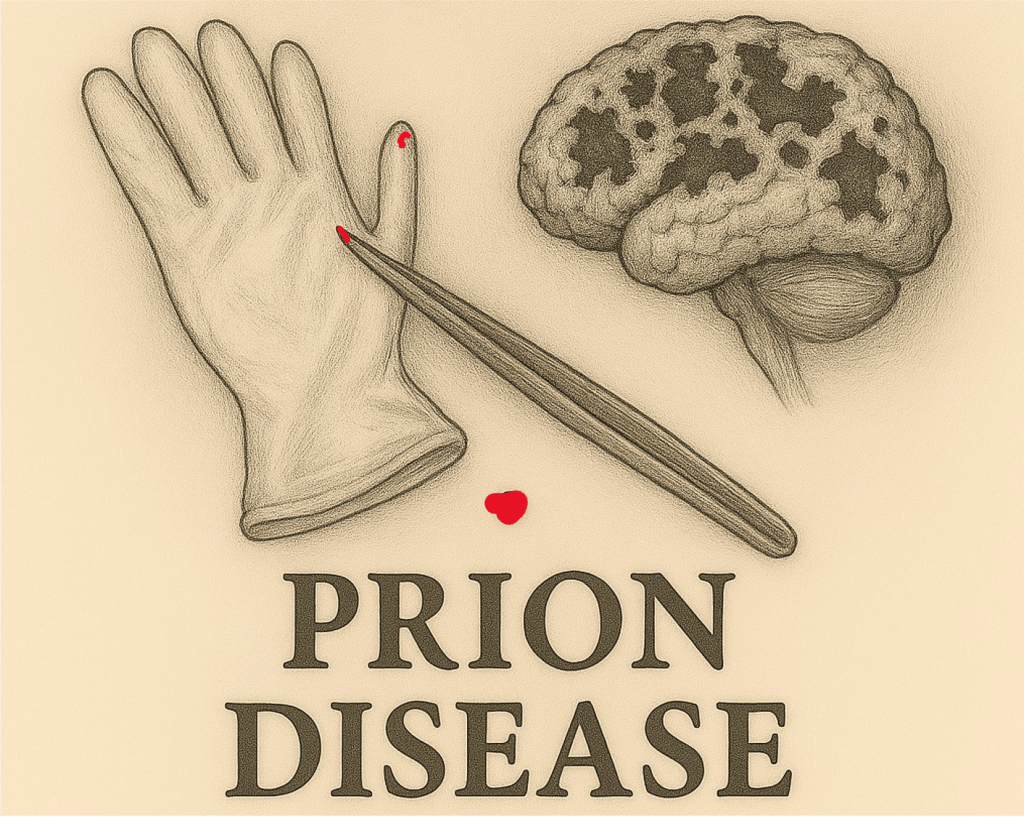
Émilie Jaumain died of a prion disease (variant Creutzfeldt-Jacobs disease, vCJD, the human equivalent of the “mad cow” disease) in 2019. She was most likely infected in May 2010 while working in a French laboratory studying transgenic mice overexpressing prions.…

-
Ten Questions about Rare Disease Day (Feb. 28)
1) Why February 28?Actually, Rare Disease Day takes place on February 29, in leap years—the rarest day of the calendar is a fitting choice to highlight the rarity of these diseases. In non-leap years, such as 2025, it occurs on…

-
Ten Genomic Reads for My 2025
New year, new reading list! Here are 10 books on genetics and genomics for my 2025. I hope that one or two will pique your interest too! These books are accounts of, reflections on, predictions about our genome and the…
-
The Most Basic Tip to Aspiring Writers…
So you want to be a writer…Aspiring writers reach out on LinkedIn asking for advice on how to land their first job. I am flattered , but I am no expert. My advice is a very common one, “Build your…

-
The complexity of “simple” genetic disorders: penetrance, expressivity, pleiotropy
This is a paradox of rare diseases: they are gaining more and more attention, and yet, a big misunderstanding still surrounds many of them. These misunderstood diseases, known as monogenic disorders, are the ones caused by mutations in a single…