I want to be a better science writer and communicator – and my reading list might spark ideas for your Christmas shopping!
I’ve just put together 6 essays packed with techniques to make your prose sharper, clearer, more engaging and memorable. These books are in my 2026 reading diet: I wonder which will leave the deepest mark on my style… Well, I guess I may know by next Christmas!
PS: looking for books on genetics? Check my 10 genomic reads for 2025!
And for SciFi lovers, see this list of 15 biotech/biology SciFi books of the past 25 years!
1. Writing Science in Plain English — Anne E. Greene (2013)
The principles of writing to be understood.
Synopsis: A short guide to transforming convoluted writing into clear prose accessible to a broad public. Full of examples and exercises, this booklet reminds me of “Writing in the science”, possibly the best free online course for aspiring writers.
Author bio: a biologist and professor of scientific writing at the University of Montana.

2. The Art of Explanation — Ros Atkins (2023)
Always get your point across.
Synopsis: A manual for identifying what readers want and for communicating it effectively and engagingly. Ten principles, accompanied by autobiographic examples, will help you explain anything to any audience.
Author bio: a BBC journalist, editor, presenter, famous for his insightful analysis of the biggest, most complicated stories around the world.

3. Murder Your Darlings — Roy Peter Clark (2020)
Hone your craft learning from the greats.
Synopsis: A collection of 50 tips and strategies distilled from writing and language books. The title refers to one of these tips: even the prettiest, cleverest text must be cut from your writing if it’s superfluous.
Author bio: a writing coach for journalists and elementary schoolers alike.

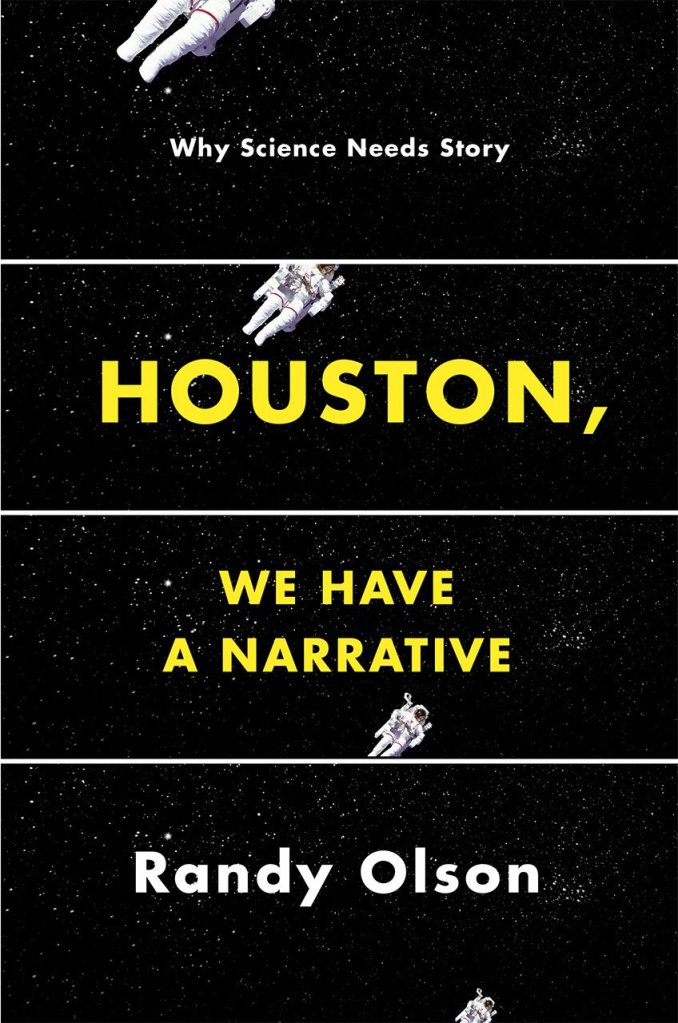
4. Houston, We Have a Narrative — Randy Olson (2015)
Don’t just recite data and facts, weave them into a story.
Synopsis: A passionate call for scientists to stop overwhelming their audience with long lists of cold numbers and facts, and turn to Hollywood instead. The public has an appetite for science, but only when it masters storytelling.
Author bio: a marine biologist and zoology professor who turned filmmaker.
5. The Sense of Style — Steven Pinker (2014)
A 21st-century, science-backed guide to writing style.
Synopsis: A 21th century “The Elements of Style”, the seminal work by Skunk and White on how to use language. Backed up by studies in various disciplines, this essay offers prescriptions to make your prose compelling in our age.
Author bio: an experimental psychologist interested in language and cognition.

6. Made to Stick — Chip and Dan Heath (2007)
Design ideas that people notice and remember.
Synopsis: A dissection of what all memorable ideas have in common. This book lays out the six principles to make your ideas remembered and capable of changing people’s behaviour.
Authors bio: brothers and authors of bestsellers that analyse how we make decisions



 WritinGenomics