This year marks the anniversary of 5 milestones, between 1965 and 1995, that made DNA sequencing possible. Thanks to these advances, we have started unlocking the genome and deciphering its secrets.
Over the following months, we’ll explore a different milestone every month—in a summary on LinkedIn and in an in-depth article here. We’ll travel from the early day when sequencing a short RNA took 3 years and 130 kg of yeast to the dawn of the genomic era. We will see how these milestones came to be, how they built upon each other and how they have shaped the future of DNA sequencing.
Interested? Want to know more about one of the most transformative technologies in history? Subscribe to my blog and follow me on LinkedIn!
Here are the 5 milestones we’ll explore—it’s gonna be an exciting journey!
1) 1965: Sequencing the First Nucleic Acid
Robert W Holley sequenced the first nucleic acid molecule (77 nucleotides)—a decade before the first DNA sequencing technology!
UPDATE: My article on this milestone is now out: click here to read it.
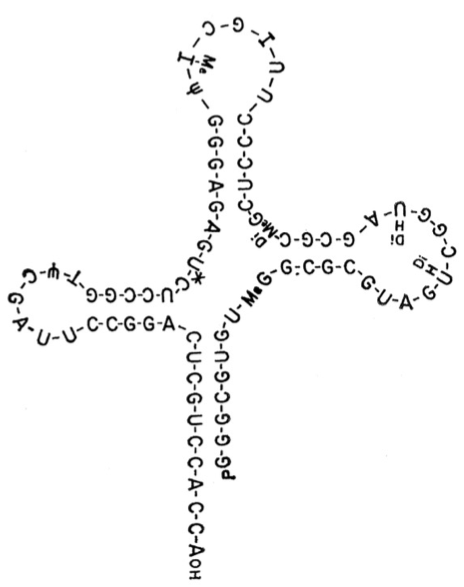
Alanine tRNA of yeast
2) 1965: Deciphering the Code of Life
Marshall W Nirenberg compiles the first genetic code, the set of rules cells use to convert genes into proteins: the Rosetta Stone of genomics!
UPDATE: My article on this milestone is now out: click here to read it.

The first genetic code
3) 1975: Learning to Read DNA
Frederick Sanger and Alan Coulson published the “plus and minus” system, a pioneering technique that finally made sequencing possible (albeit still very difficult!)
UPDATE: My article on this milestone is now out: click here to read it.

One of the first sequencing experiments
4) 1985: Photocopying DNA
Kary Mullis published the polymerase chain reaction (PCR), a “photocopier for DNA”, a revolutionary method that allows scientists to sequence even tiny amounts of DNA.
UPDATE: My article on this milestone is now out: click here to read it.

The first thermocycler
5) 1995: The Dawn of the Genomic Era
C Venter and colleagues shotgun-sequenced the first genome of a free-living organism (1.83 million bases)—10 times larger than the genomes of the viruses and organelles sequenced until then.
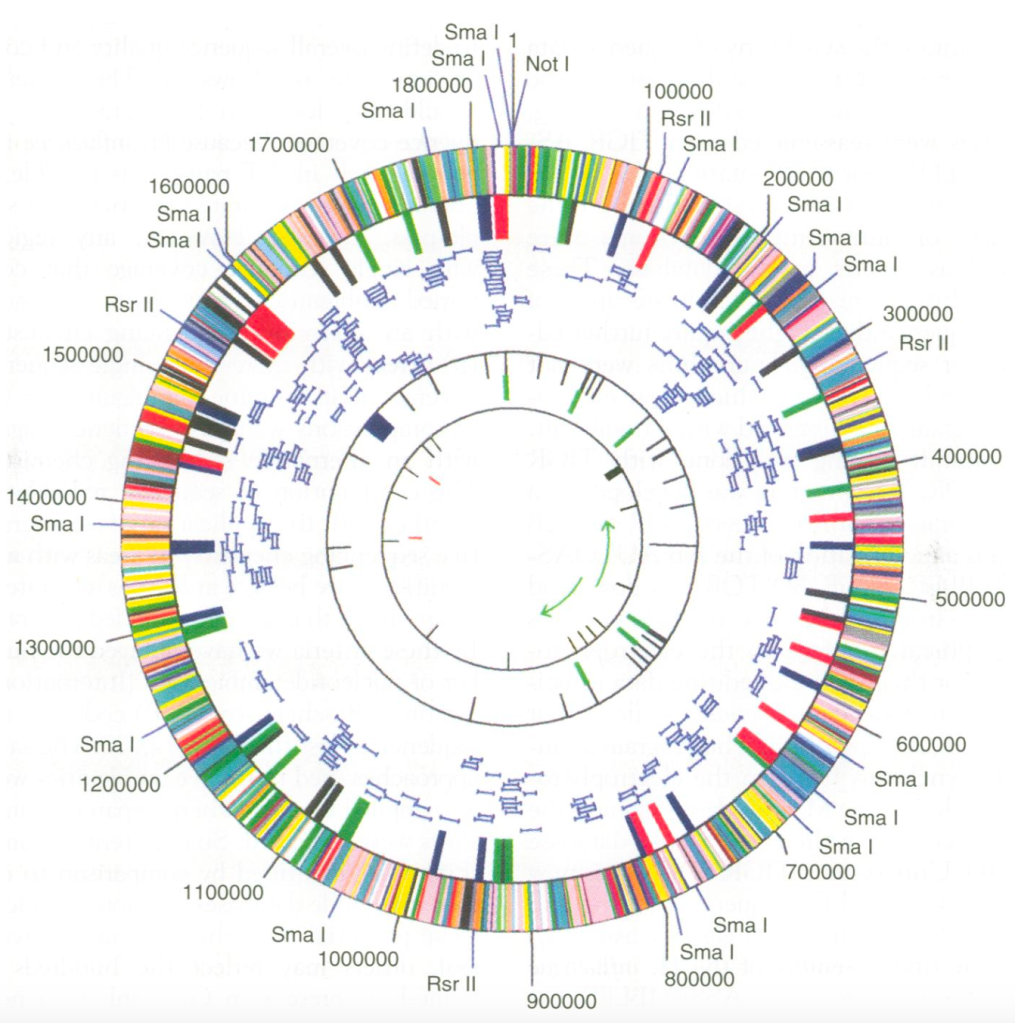
The genome of H. influenzae
Have I convinced you to join me in this journey through 3 decades of DNA sequencing history?
Thanks for subscribing and joining the ride!
 WritinGenomics