Too many scientific papers to read, too little time: how do you prioritise those more relevant to your research and interests?
This is the approach that guides my decisions—it’s not perfect but it will help you identify which papers are must-reads and which ones… can wait (not reading a paper is also on the table!)
I don’t look at tables and figures, nor do I skim the discussion. Instead, I jump straight to the last paragraph of the Introduction.
Why?
To answer this question, let’s read the last paragraph of three articles published this year in renowned peer-reviewed journals.
One is in Genome Biology (paper #1),

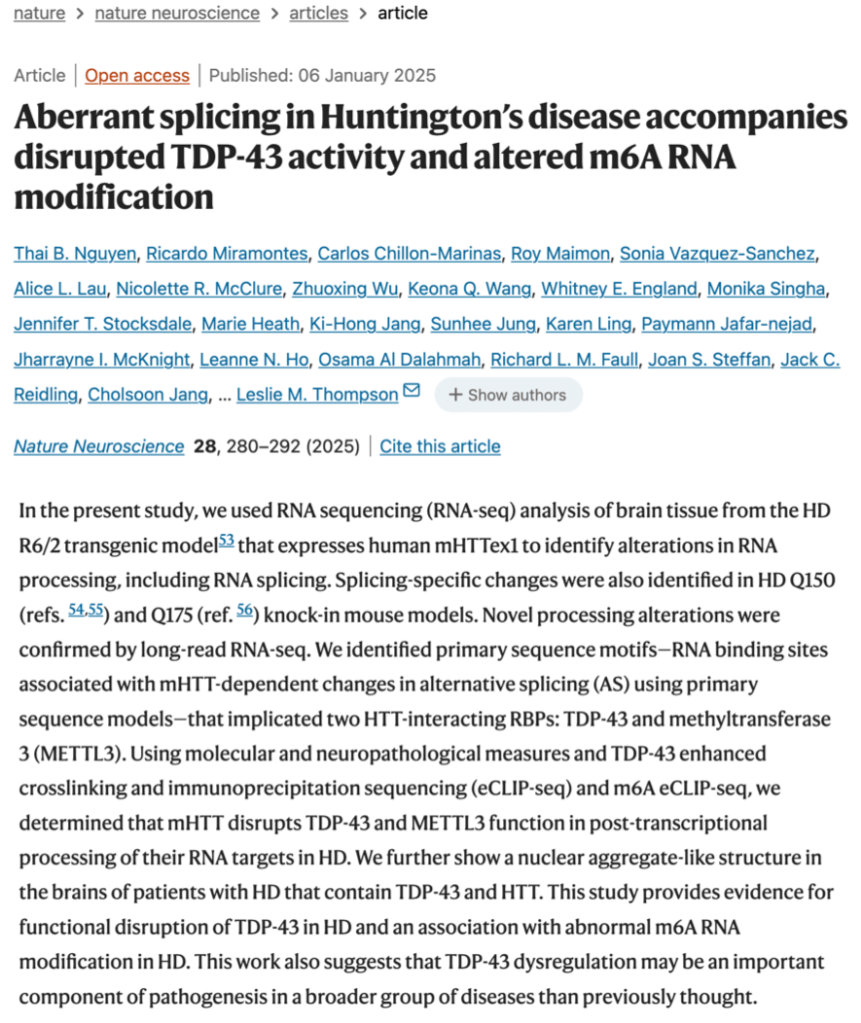
one in Nature Neuroscience (paper #2),
and one in the Proceedings of the National Academy of Sciences (PNAS) of the United States of America (paper #3).

These three randomly picked articles show you how common it is for researchers to give an overview of their work in the last paragraph of the introduction. In this section, they present
- the aim, the reason why the authors dedicated months and years to this research,
- the key findings and how they were obtained, this should create excitement and showcase the rigor of the methodology used,
- novelty and significance, what gap in our present knowledge it addresses and why the answer matters (basically, why the work deserves to be published).
I think of this paragraph as the elevator pitch of the article, the section where the authors try their best to lure you into reading the whole paper.
The investment they are pitching for? Your time and productivity!




 WritinGenomics